
Which Type of Garden Fence Is Right for Your Property?
Recent jobs we have completed in Knowsley have been in Huyton, Kirkby, Whiston, Prescot & Halewood.
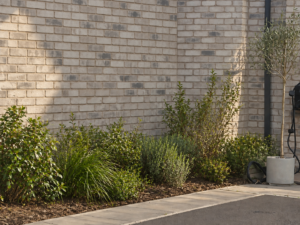
Before horizontal slat fencing, Japanese style in Knowsley
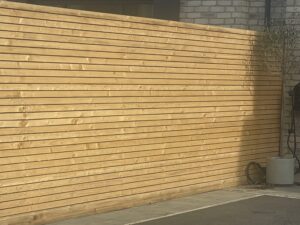
Case Study: Japanese Style Horizontal Slat Fencing in Knowsley
For a recent project in Knowsley, the customer wanted a fence that would do more than mark the garden boundary. They were looking for a clean, contemporary finish that would make the outdoor space feel carefully designed. We installed Japanese style horizontal slat fencing, using the repeated lines of the timber to create a smart, understated look.
A Different Look for the Garden
Traditional fence panels can be a practical choice, but this customer preferred something with a more distinctive appearance. The horizontal slats draw the eye along the boundary and give the garden a sense of width. Their simple, regular pattern looks particularly effective beside paving, planting and modern outdoor furniture.
The key to this style is consistency. As we fitted the slats, we checked their alignment and spacing so the finished run would look even from end to end. We also paid attention to the edges and where the fence met the surrounding features. With a design this simple, small details make a noticeable difference.
Why Choose Horizontal Slat Fencing?
Compared with a standard fence panel, horizontal slat fencing offers several advantages:
-
A distinctive finish: The long, straight lines create a contemporary, Japanese inspired appearance.
-
A design tailored to the space: Slats can be set out to suit the height, length and proportions of a particular boundary.
-
Visual interest: Light and shadow bring out the pattern of the boards throughout the day.
-
A backdrop for planting: The timber gives shrubs, grasses and other garden features a defined setting.
-
A consistent look: Careful spacing creates a tidy finish across a long run of fencing.
The amount of privacy depends on the gap between the slats. Closer spacing provides more screening, while wider gaps give a lighter, more open appearance. That choice should be made with the garden’s layout and the customer’s priorities in mind.
The Finished Result
The completed fence gives this Knowsley garden a classy, ordered backdrop. Its horizontal lines make the boundary feel like part of the garden design, while the natural timber adds warmth to the space.
This project shows why horizontal slat fencing appeals to homeowners who want a change from conventional panels. It still defines the boundary, but its carefully spaced boards also give the garden a character of its own.
Choosing garden fencing is not simply a choice between “wooden” and “concrete.” Different fencing systems provide different levels of privacy, strength, airflow and security. Some suit compact urban gardens, while others are better for large boundaries or exposed locations.
Merseyside Fencing installs and repairs garden fencing throughout Knowsley. We help customers compare the available styles and choose a fence that suits the property, purpose and intended budget.
Whether you live in Huyton, Kirkby, Prescot, Whiston, Halewood or Knowsley Village, your new fence should be selected for the conditions in your garden—not because it happened to be the first panel displayed at a timber merchant.
Questions to Ask Before Choosing Fencing
Begin by deciding what you expect the fence to do. A decorative front boundary has a very different purpose from a six-foot rear fence intended to contain a large dog.
Ask yourself:
- How much privacy do we need?
- Is the garden exposed to strong winds?
- Do we need to contain children or pets?
- Should the fence block or admit sunlight?
- Do we prefer a traditional or contemporary appearance?
- Will climbing plants grow against it?
- Is the ground level or sloping?
- Are low maintenance requirements important?
- Will wheelie bins, bicycles or machinery pass through the gate?
- Could individual panels need replacing later?
The answers help narrow the available choices.
Lap Panels: Economical and Easily Replaced
Lap fencing is constructed from horizontal boards that overlap inside a timber frame. It is also described as overlap or waney-edge fencing.
This familiar panel is widely used because it provides an affordable way to enclose a straightforward boundary. Standard panel sizes fit conveniently between timber or concrete posts.
Lap fencing is generally:
- More economical than heavy decorative panels
- Suitable for many sheltered residential gardens
- Quick to replace when standard sizes are used
- Available in several heights
- Effective for everyday privacy
However, lightweight lap panels may not be the best choice for a particularly exposed garden. The panel frame, timber thickness and supporting posts all affect its strength.
Best suited to: Customers seeking practical, reasonably priced garden screening.
Closeboard Fencing: Strong and Adaptable
Closeboard fencing is assembled using vertical feather-edge boards attached to horizontal rails. Each board overlaps the next, creating a solid timber surface.
Because it can be constructed along the actual boundary, closeboard fencing adapts well to unusual measurements and gradual changes in ground level. Individual damaged boards can also be replaced without removing a complete panel.
Compared with lap panels, closeboard fencing is usually:
- More substantial
- Better suited to long boundaries
- Easier to adapt around corners
- Suitable for sloping ground
- More traditional in appearance
- Capable of being repaired board by board
It requires correctly installed posts and rails, but the completed structure can provide an excellent combination of privacy, strength and flexibility.
Best suited to: Long, uneven or exposed boundaries where durability matters.
Tongue-and-Groove Fencing: Solid and Refined
Tongue-and-groove fencing uses boards with edges designed to interlock. This produces a smooth, solid panel with very small gaps.
These panels normally feel heavier and more substantial than basic overlap fencing. They offer excellent screening and work particularly well around patios, seating areas and landscaped gardens.
The principal differences are:
- A smoother and more finished appearance
- Closely connected boards
- Excellent privacy
- Greater panel weight
- A higher-quality decorative finish
- The need for strong supporting posts
Tongue-and-groove panels may cost more than standard lap panels, but many homeowners choose them for their appearance and substantial construction.
Best suited to: Private rear gardens where finish and appearance are priorities.
Hit-and-Miss Fencing: Privacy with Airflow
Hit-and-miss fencing uses boards fixed alternately to opposite sides of the supporting rails. Small spaces allow air to move through while the overlapping arrangement limits direct views.
This makes it different from a completely solid fence. Reduced wind resistance can be useful in open gardens, although hit-and-miss fencing does not offer total privacy when viewed from an angle.
Its advantages include:
- Air circulation through the boundary
- An attractive finish on both sides
- Less wind pressure than a completely solid panel
- Vertical or horizontal construction options
- A balanced combination of screening and openness
Best suited to: Exposed gardens where airflow is more important than absolute privacy.
Board-on-Board Fencing: Deep and Private
Board-on-board fencing also uses overlapping boards, but they are layered to cover the gaps between the first row. This creates a deep, textured appearance and provides more privacy than a conventional single-board arrangement.
Compared with hit-and-miss fencing, it generally provides:
- Fewer visible gaps
- Greater privacy
- A heavier, more solid structure
- Increased material use
- Strong visual depth
Because more timber is used, the fence requires appropriate supports and may have a higher material cost.
Best suited to: Homeowners wanting a substantial privacy fence with an attractive layered finish.
Slatted and Venetian Fencing: Contemporary Screening
Slatted fencing uses narrow horizontal boards separated by consistent spaces. Venetian-style fencing creates clean lines that suit modern extensions, paving and outdoor entertaining areas.
Unlike solid closeboard fencing, slatted designs allow light and air to pass through. They can make a small garden appear wider, although the gaps mean they offer partial rather than complete privacy.
Slatted fencing provides:
- A modern appearance
- Controlled light and airflow
- Attractive screening around patios
- Strong horizontal lines
- Flexible spacing between boards
- The option to use it as a feature rather than a full boundary
Accurate installation is essential because uneven gaps or sloping boards are immediately noticeable.
Best suited to: Contemporary gardens, seating areas and decorative screening.
Picket Fencing: Open and Welcoming
Picket fencing consists of spaced vertical boards fitted to horizontal rails. It defines a boundary without blocking the view, making it particularly suitable for front gardens.
Picket fencing differs from privacy fencing because it is designed to remain open. It can separate a lawn from a driveway, protect flowerbeds or create an internal division within a larger garden.
Popular features include:
- Rounded, pointed or shaped board tops
- A traditional and welcoming appearance
- Good visibility and light
- Various heights and spacing options
- Matching picket gates
Best suited to: Front gardens and decorative low-level boundaries.
Trellis: Support, Decoration and Partial Screening
Trellis is formed from narrow timber strips arranged in square or diamond patterns. It can be installed independently or added above solid fencing.
Unlike a solid panel, trellis supports climbing plants and allows daylight through. Smaller openings provide more screening, while larger lattice patterns feel lighter and more decorative.
Trellis can:
- Add visual height to a fence
- Support climbing roses and other plants
- Break up a long solid boundary
- Screen bins or utility areas
- Create separate zones within a garden
- Finish the top of a standard panel
Planning restrictions should be checked before increasing the total height of a boundary.
Best suited to: Planted gardens and customers wanting decorative, semi-private screening.
Post-and-Rail Fencing: Simple and Open
Post-and-rail fencing uses horizontal timber rails between upright posts. It encloses a space without creating a solid visual barrier.
It is commonly chosen for larger gardens, open plots and rural-style properties. Mesh may be added where animals need to be contained.
Best suited to: Large, open boundaries where privacy is unnecessary.
Timber Posts or Concrete Posts?
The supporting post is as important as the visible fencing.
Timber posts:
- Match the natural appearance of wooden fencing
- Work well with decorative and bespoke designs
- Are easier to cut and adapt on site
- Require protection from persistent ground moisture
Concrete posts:
- Do not rot at ground level
- Provide substantial support
- Allow standard panels to be replaced
- Require more handling because of their weight
- Create a more functional appearance
Concrete gravel boards can also raise timber panels away from damp soil. Timber gravel boards produce a softer appearance but will eventually require maintenance or replacement.
Garden Fencing Repairs in Knowsley
Complete replacement is not always necessary. A damaged boundary may only require a failed post, broken panel or loose rail to be renewed.
Repairs can include:
- Replacing individual panels
- Renewing rotten posts
- Reattaching loose boards
- Replacing rails and gravel boards
- Straightening leaning sections
- Repairing storm damage
- Adjusting gates
- Renewing hinges and catches
We assess the remaining fence before recommending whether repair or replacement offers better value.
Serving Homes Across Knowsley
Merseyside Fencing provides fencing installation and repair services across:
- Huyton
- Kirkby
- Prescot
- Whiston
- Halewood
- Cronton
- Knowsley Village
- Stockbridge Village
- Tarbock
- Roby
Contact us with your measurements, photographs and preferred fencing style. We can help you compare the options and request a quotation for garden fencing in Knowsley.